By: Gloria Josiah
The Correspondents’ Chapel of the Nigeria Union of Journalists, FCT Council, says it will work with the Joint Revenue Board to deepen public awareness of Nigeria’s tax reforms and promote voluntary compliance through factual reporting.
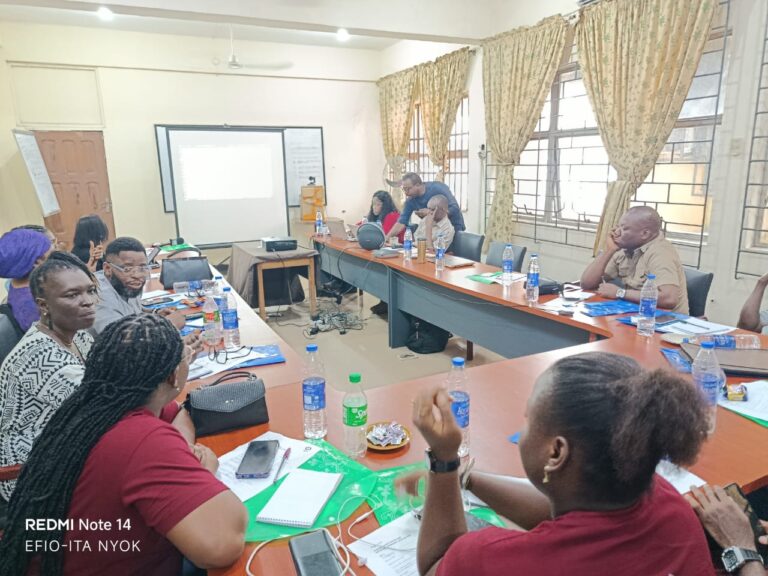
The pledge was made in Abuja during an interactive session with JRB officials. The event was part of activities to mark the 2026 World Public Relations Day and was hosted by the Chapel Chairman, Comrade Felix Ojo.
Representing the JRB Executive Secretary, Mr. Olusegun Adesokan, the Board’s Head of Legal and Secretarial Services, Mr. Ibrahim Ja’afaru, led the discussion on the Federal Government’s tax agenda, with focus on the newly gazetted Presumptive Tax Regulations 2026.
Ja’afaru described the JRB as the statutory body charged with coordinating and harmonizing revenue administration nationwide. He said the engagement reflects the Board’s recognition of the media’s role in shaping public understanding, ensuring transparency and building trust in government policies.
Key highlights of the 2026 Presumptive Tax Regulations
According to Ja’afaru, the new regulations are designed to simplify tax processes, end multiple taxation, encourage informal sector operators to formalize, and shield nano businesses from heavy tax burdens.
He disclosed that:
Businesses with annual turnover of ₦12 million and below are exempt from presumptive tax.
Businesses above the threshold will pay 1% of annual turnover.
Micro operators such as roadside food vendors, artisans, shoemakers, pure water sellers and similar small-scale traders also qualify for exemptions.
He added that cash payments are no longer allowed under the regulations. All tax payments must be made through approved electronic platforms.
Filing, reliefs and dispute resolution
Ja’afaru clarified that both individuals and registered businesses must file annual returns. Tax is only payable where there is income, profit or gain. Businesses with no activity are not required to pay, but must still file “nil returns” to remain compliant.
He also noted that many low-income earners now fall below the taxable threshold after exemptions and reliefs are applied.
To address grievances, he pointed to the Office of the Tax Ombud, created under the JRB Establishment Act 2025. The office provides free, impartial channels for taxpayers to resolve disputes without going to court.
He said the reforms align with President Bola Ahmed Tinubu’s Renewed Hope Agenda, with goals to simplify the tax system, improve administration, support small businesses and broaden inclusion.
NUJ commits to public enlightenment
In his remarks, Comrade Ojo commended the JRB for engaging journalists on a critical national issue. He reaffirmed the Chapel’s readiness to collaborate in educating Nigerians on the goals, benefits and practical impact of the reforms.
He described the session as timely and urged Nigerians, especially those in the informal sector, to take advantage of the exemptions and protections in the 2026 regulations while keeping proper records and obeying tax laws.
Ojo also called on government agencies to sustain regular stakeholder engagements to boost public trust and voluntary compliance.
In a statement signed by the Chapel Secretary, Henrietta Momodu, Ojo further appealed to the JRB to support the NUJ FCT Council’s ongoing building project and assist the Correspondents’ Chapel with office furnishing and capacity-building programs to strengthen tax-related public enlightenment.
The Board said it views the partnership as the start of a stronger working relationship to ensure accurate tax information reaches Nigerians and to create channels for public feedback.(Hard Talk International Magazine)