By: Chioma Vivian James
As the world commemorates World Tuberculosis Day, the spotlight returns to Tuberculosis (TB) a disease that, despite being preventable and curable, continues to rank among the deadliest infectious killers globally.
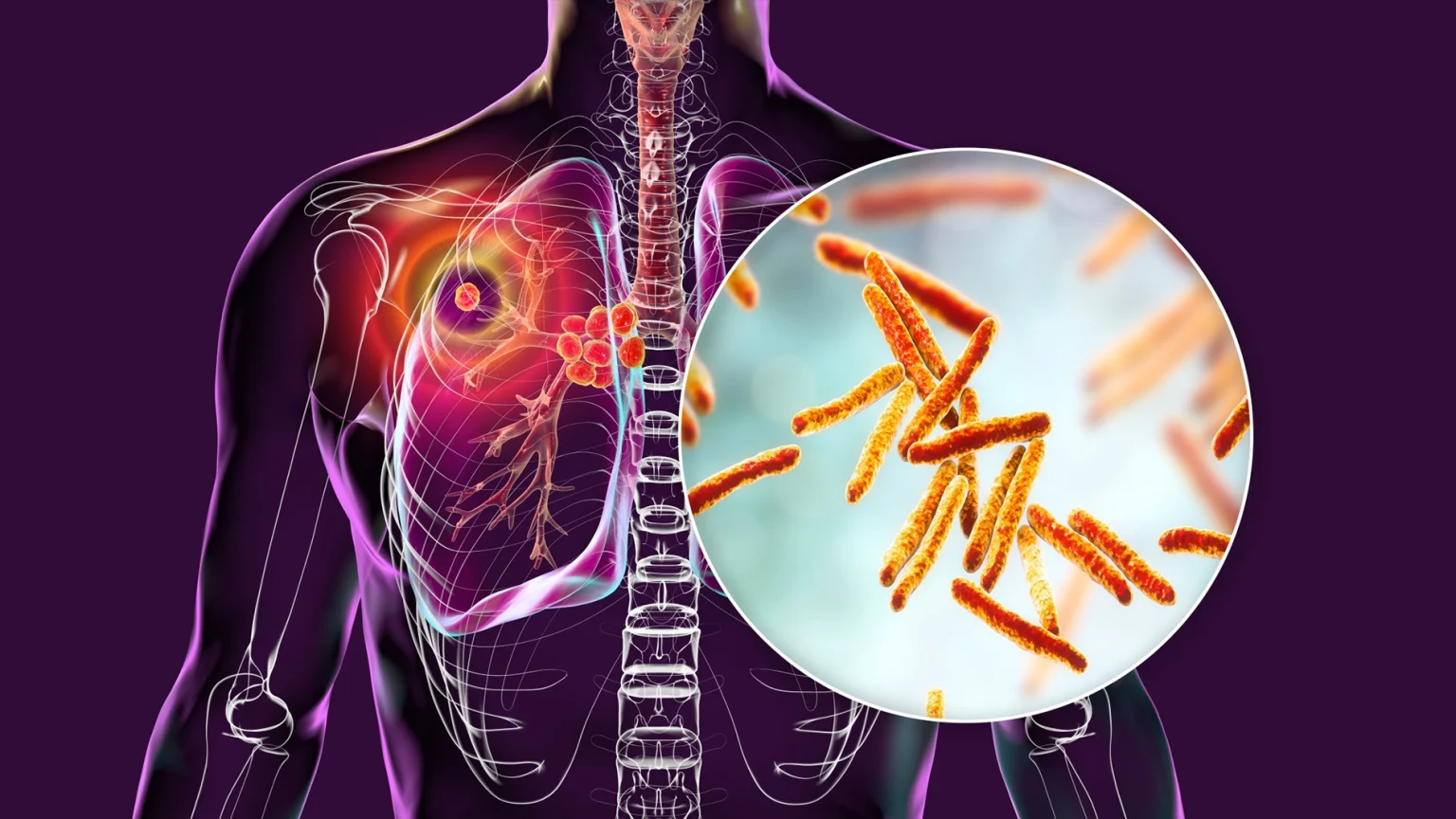
This contagious disease caused by Mycobacterium tuberculosis, primarily affects the lungs but capable of attacking other parts of the body. It spreads through the air when an infected person coughs, sneezes, or talks.
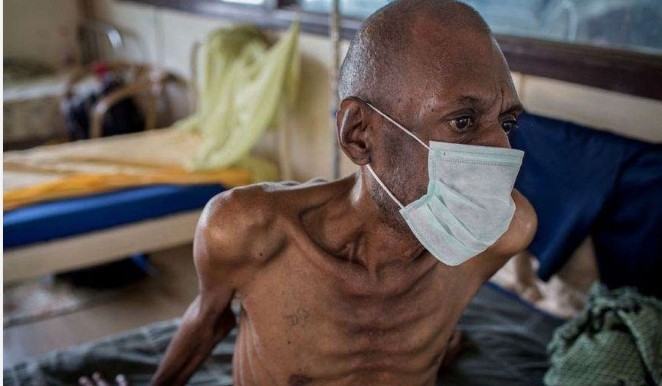
Key signs include a persistent cough, coughing up blood or mucus, fever, night sweats, unexplained weight loss, and fatigue. Not everyone shows symptoms immediately, as TB can remain latent for months or years.
The persistence of TB is not merely a medical failure; it is a reflection of systemic gaps in healthcare delivery, public awareness, and sustained political commitment. The urgency of the moment calls for a deeper, more coordinated response anchored on four critical pillars.
The first and most decisive pillar is early detection and treatment, which remains the frontline defense against TB transmission. When individuals are diagnosed promptly, treatment can begin early, significantly reducing the risk of spreading the infection to others.
However, in many parts of the world, including Nigeria, diagnosis is often delayed due to limited access to modern diagnostic tools, reliance on outdated methods, and social stigma that discourages individuals from seeking medical help.
According to the World Health Organization, millions of TB cases still go undetected or unreported each year, undermining global eradication efforts
Bridging this gap requires investment in rapid diagnostic technologies, community screening programs, and stronger surveillance systems.
Closely tied to this is the challenge of access to quality healthcare, which remains uneven and, in many cases, inadequate.
Effective TB control depends not just on diagnosis, but on sustained and supervised treatment, which can last several months. For many patients in low- and middle-income countries, the cost of transportation, medication, and follow-up care can be prohibitive.
In Nigeria, disparities between urban and rural healthcare access further complicate the situation, leaving vulnerable populations at greater risk.
Weak healthcare systems also struggle with shortages of trained personnel and essential medicines, increasing the likelihood of treatment interruption and the emergence of drug-resistant TB.
Strengthening healthcare infrastructure, expanding insurance coverage, and ensuring free or subsidized TB services are crucial steps toward reversing this trend.
The third pillar which is public awareness and prevention addresses the social dimension of the disease. TB continues to be surrounded by stigma and misinformation, which often leads to delayed diagnosis and poor treatment adherence.
Many people still associate TB with poverty, weakness, or social exclusion, discouraging open discussion and early intervention. Public education campaigns are therefore essential to reshape perceptions, promote preventive practices, and encourage timely health-seeking behavior.
The Centers for Disease Control and Prevention highlights that increased awareness significantly improves early diagnosis rates and reduces transmission .
Schools, media platforms, religious institutions, and community leaders all have a role to play in amplifying accurate information and dismantling stigma.
Finally, no progress can be sustained without strong government and global commitment. The fight against TB requires not only national policies but also international collaboration, funding, and accountability.
Governments must prioritize TB in their health agendas, allocate sufficient resources, and integrate TB services into broader healthcare systems.
Global partnerships and donor agencies must also maintain support, especially in high-burden countries. Without consistent funding and political will, even the most effective interventions risk collapsing under pressure.
The global goal of ending TB by 2030, in line with the Sustainable Development Goals, can only be achieved through unwavering commitment at all levels.
In conclusion, the battle against TB is both a medical and societal challenge, one that demands urgency, innovation, and unity.
Early detection saves lives, accessible healthcare sustains treatment, awareness prevents spread, and commitment drives progress.
As the world reflects on this year’s World Tuberculosis Day, the message is unmistakable: ending TB is possible, but only if action is intensified, systems are strengthened, and no one is left behind.(Trueverdict Magazine)