By: Hadiza Abdulrahman
Ramadan is a sacred period of fasting, reflection, and spiritual renewal observed by millions of Muslims worldwide. From dawn to sunset, fasting involves abstaining from food and drink, which can significantly alter eating patterns, sleep cycles, and physical activity.
While fasting has spiritual benefits, medical experts emphasise the importance of adopting healthy habits to maintain physical and mental wellbeing throughout the month.
According to the World Health Organization (WHO), fasting can positively impact health, improve mood, reduce stress, and even support weight and cholesterol control if done correctly.
Hence, the World Health Organization recommends the following tips to staying healthy during Ramadan:
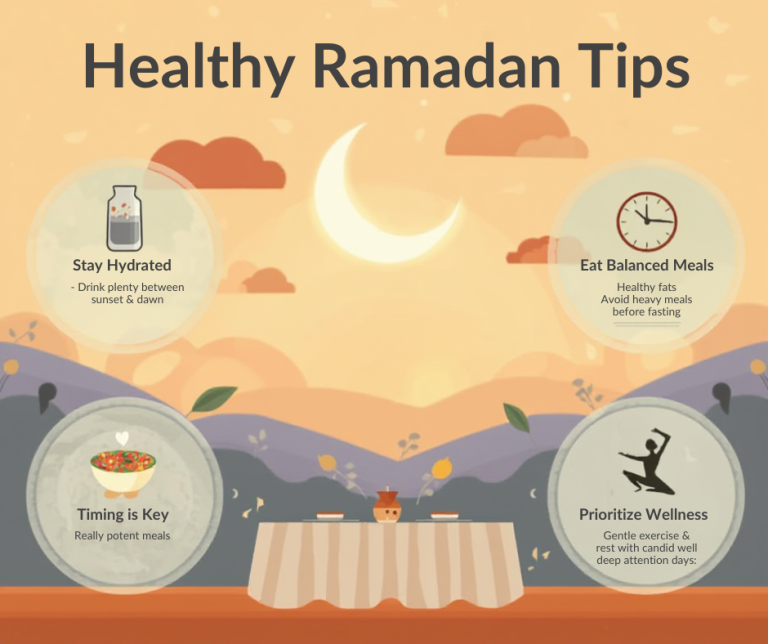
Maintaining proper hydration is essential. WHO advised individuals to drink plenty of water, at least 8 to 10 glasses, between Iftar and Sahur, while also consuming hydrating foods such as soups, watermelon and green salads.
Caffeinated drinks like coffee, tea and cola should be avoided, as they can increase urination and contribute to dehydration.
Sugary fizzy drinks should also be limited due to their high calorie content. In addition, avoiding direct exposure to the sun during high temperatures and staying in cool, shaded environments can help prevent dehydration.
To replenish energy levels, fasting should be broken with a healthy and balanced Iftar. Meals should include plenty of vegetables for essential vitamins and nutrients, whole grains for energy and fibre, and lean proteins such as grilled or baked meat, skinless chicken and fish.
Fried and processed foods high in fat and sugar are discouraged. Eating slowly and in moderate portions is also important to prevent overeating, which can lead to discomfort and heartburn.
Sahur, the pre-dawn meal, should not be skipped. A light but nutritious Sahur is recommended daily, particularly for vulnerable groups such as older persons, adolescents, pregnant and nursing mothers, and children who choose to fast.
The meal should include vegetables, whole-grain carbohydrates such as whole wheat bread, protein-rich foods like eggs or dairy products, and healthy fats such as avocado.
limiting the intake of sweets, fats and salt. Traditional Ramadan sweets often contain high amounts of sugar syrup and should be consumed in moderation.
Fresh fruits such as watermelon, melon, peaches or nectarines are healthier alternatives. Foods rich in fat, including fatty meats and pastries made with butter or margarine, should also be reduced.
Healthier cooking methods are encouraged, including steaming, baking, cooking in sauces, or stir-frying with minimal oil instead of frying.
Foods high in salt, such as processed meats, pickles, salty snacks and ready-made sauces, should be avoided. When preparing meals, salt use should be minimized and replaced with herbs and natural seasonings to enhance flavour.
Individuals are encouraged to engage in light physical activity, particularly in the evenings after breaking the fast, such as going for a regular walk.
People living with conditions such as diabetes, hypertension or asthma should consult a healthcare professional before fasting.
Islam exempts the sick, elderly, pregnant women and others whose health may be harmed by fasting. Health and safety should always come first.