By: Daniel Mtindiga
In Demevar, Chanchanji axis of Southern Taraba, the silence is unsettling.
Burned compounds sit roofless under the sun. Cooking pots lie overturned in courtyards now carpeted with ash. In one compound, a child’s sandal rests near a blackened doorway — the only sign that a family once lived there.
“This used to be a full village,” says Asemanyian Mchianan, standing beside what remains of his brother’s house. “Now everyone has scattered.”
Across Wukari, Takum, and Donga Local Government Areas, Tiv communities say waves of attacks have emptied entire settlements, displaced thousands, and left deep political and ethnic fractures in their wake.
But what exactly is happening in Southern Taraba? Is this a cycle of communal reprisals, as some officials suggest? Or a coordinated campaign of displacement, as many Tiv leaders allege?
An investigation across affected communities reveals a crisis defined not only by violence — but by competing narratives, weak data, and growing distrust.
Community leaders trace the most recent wave of violence to a concentrated period spanning just over a month.
According to a report cited by local civil society actors and attributed to NOCRELA, 102 people were killed within 33 days. The figure has not been independently verified, and no consolidated official casualty count has been publicly released.
Residents describe a recurring pattern:
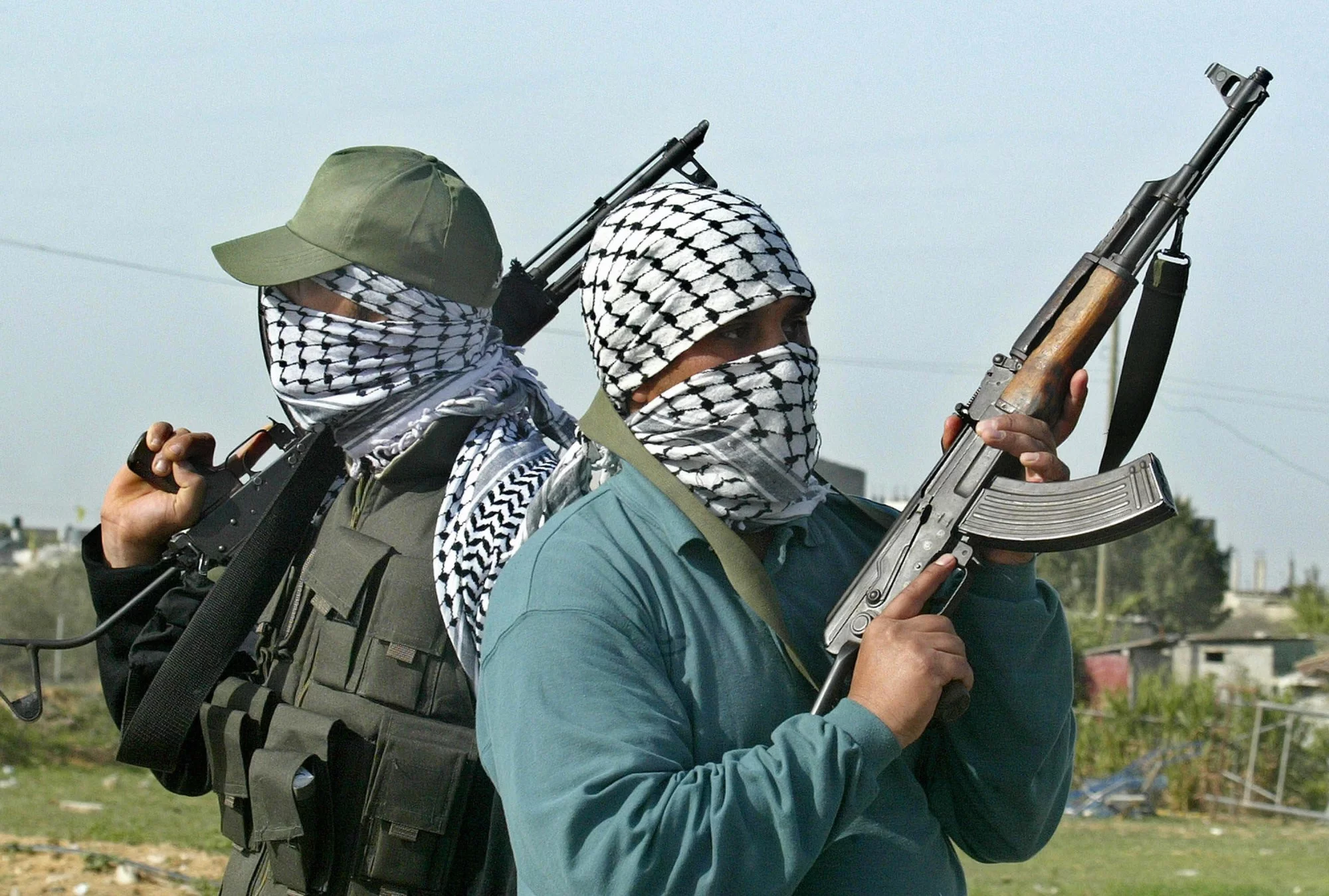
Armed men arriving after midnight
Rapid gunfire followed by arson
Targeting of farming settlements
Mass flight into forests or neighboring states
In several locations visited or described by displaced residents, compounds appear deliberately burned rather than looted.
Security officials have not publicly confirmed responsibility for the attacks. Tiv residents widely allege that armed Fulani militias are responsible — a claim that remains unverified by authorities at press time.
Local leaders provided a list of more than 100 villages they say have been attacked, partially destroyed, or abandoned. These include Peeki, Kyugah, Tse Angeh, Igbun, New Gboko, Tse Akwaya, Tyolumun, Uhembe, Apiita, Avada, Amade, Anogo, Torpo, Tse Ugbaa, Tse Wende, among many others.
Independent verification is complicated by:
Limited media access to some rural settlements
Fear among survivors of speaking publicly
Absence of centralized state data
Poor documentation infrastructure
However, humanitarian workers in neighboring Benue and Plateau states confirm receiving new waves of displaced persons from Southern Taraba in recent months.
Community estimates place displacement figures at over 200,000. Official figures from the Taraba State Government and the National Emergency Management Agency (NEMA) were not immediately available.
Displacement: The Slow Emergency
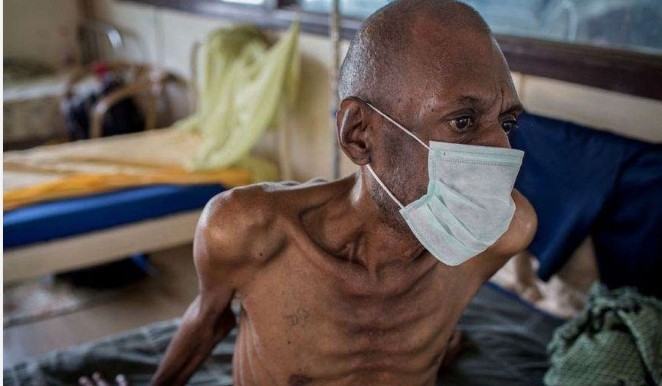
In Peva and surrounding host communities, internally displaced families live in improvised shelters made from tarpaulin, zinc sheets, and salvaged wood.
Water access is inconsistent. Food supplies rely heavily on community donations. Farming — the backbone of Tiv livelihood — remains suspended in many affected areas.
“My children keep asking where home is,” says Dooshima Terna, a displaced mother. “I don’t know how to answer them.”
Interrupted schooling for hundreds of children
Rising food insecurity
Limited medical outreach
Psychological trauma among survivors
Because displacement is dispersed across informal camps and host communities, the humanitarian burden is less visible than in formal IDP camps — but no less severe.
The Land Question
At the heart of Southern Taraba’s violence lies land.
The region has long experienced tension between farming communities and pastoral groups over grazing routes, settlement expansion, and political representation.
Conflict analysts note that Middle Belt states like Taraba face layered drivers of violence:
Climate stress and desertification pushing herders southward
Population growth increasing land pressure
Ethnic and religious polarization
Weak enforcement of land tenure systems
Proliferation of small arms
While officials describe the crisis as communal conflict — implying cycles of attack and reprisal — many Tiv residents reject that framing.
“This is not a clash,” says Samuel Kyugah, a community leader. “It is one-sided displacement.”
That claim remains contested and unverified at official levels.
Politics and Disenfranchisement
Beyond the humanitarian toll, the crisis may carry electoral implications.
In Chanchanji Ward, residents say over 40 polling units have been rendered inactive due to displacement. If accurate, that could significantly affect voter participation patterns in future elections.
Comr. Uko Wuaga Moses argues the violence is fueling political apathy.
“When people feel unprotected, they withdraw,” he says.
Some residents have publicly accused Governor Agbu Kefas of failing to act decisively. One critic alleged complicity — a serious claim unsupported by public evidence. The Governor has previously stated that security deployments are ongoing and that violence in Southern Taraba stems from complex communal tensions.
Efforts to obtain updated official responses for this report were ongoing at press time.
Security and Accountability Gaps
A recurring concern among residents is the absence of visible accountability.
Questions raised by community leaders include:
How many suspects have been arrested?
How many prosecutions have occurred?
Is there an independent investigation?
What preventive security strategy is in place?
Without transparent reporting, speculation and distrust thrive.
Security experts warn that unresolved rural violence can evolve into entrenched ethnic polarization if left unaddressed.
Competing Realities
Two realities now coexist in Southern Taraba:
Official narrative:
Communal clashes
Security efforts underway
Relative regional stability
Community narrative:
Coordinated targeting
Systematic land takeover
Government indifference
The absence of an independent, publicly accessible fact-finding report allows both narratives to persist unchecked.
Cultural and Generational Impact
Beyond physical destruction lies a quieter loss.
Traditional festivals have been suspended. Sacred sites are inaccessible. Children raised in displacement risk losing connection to ancestral land and language.
“When land goes, identity goes with it,” says an elderly displaced farmer in Takum.
Prolonged displacement could permanently reshape the demographic and cultural map of Southern Taraba.
What Happens Next?
For peace to hold, conflict researchers argue that several steps are critical:
Independent, transparent investigation of attacks
Verified casualty and displacement data
Security sector accountability
Structured peace dialogue between affected communities
Long-term land-use and grazing policy clarity
Reconstruction and return guarantees
Without these, cycles of violence may persist.
A Region at a Crossroads
As dusk settles over the abandoned hills of Chanchanji, the question is no longer whether violence has occurred — it has.
The deeper question is whether Southern Taraba’s crisis will be:
Properly investigated,
Politically addressed,
And structurally resolved,
—or quietly absorbed into Nigeria’s long list of unresolved rural conflicts.
“We are not numbers,” says Comr. Uko Wuaga Moses. “We are people.”
For now, thousands remain displaced. Farms remain untended. Trust remains fractured.
And the silence over Southern Taraba grows heavier each day.