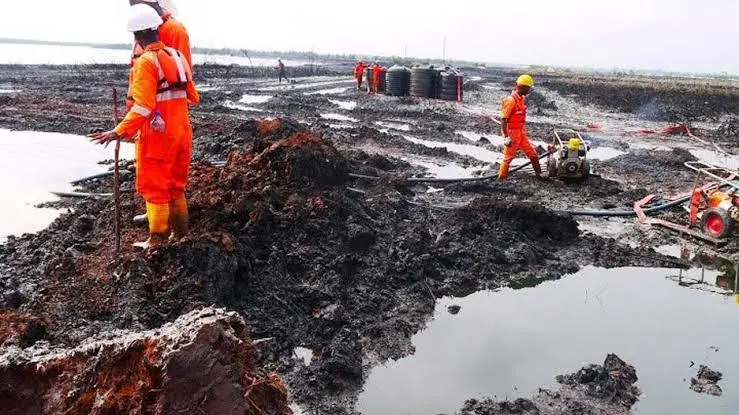
The impacts of climate change, ranging from flooding, desertification and drought to extreme weather events such as rising temperatures and unpredictable rainfall continue to have far-reaching consequences on human life.
Environmental experts have linked these impacts to worsening food insecurity, hunger and poverty, population displacement, insecurity, health risks and herder–farmer conflicts, particularly across northern Nigeria and other parts of the country.
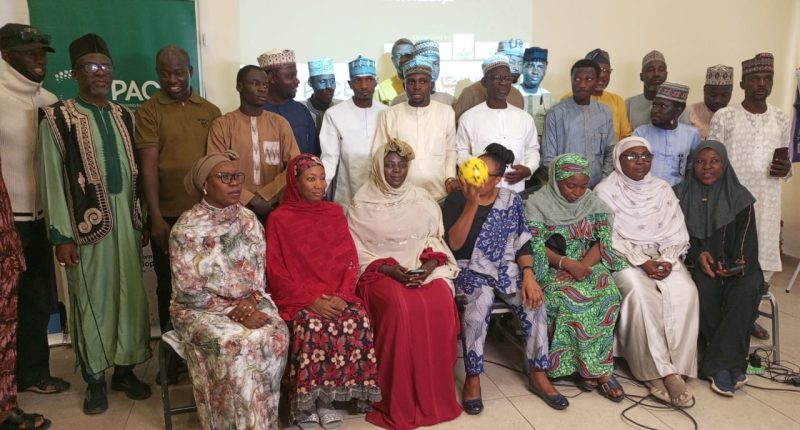
These challenges formed the focus of a two-day media intervention workshop on Climate and Governance Reporting organised by the PACE-FCDO programme—the UK-funded Partnership for Agile Governance and Climate Engagement, in collaboration with Goldapples Media, African Newspage, and the Climate Africa Media Initiative and Centre held in Kano.
The training brought together journalists and content creators from Kano, Kaduna and Jigawa States with the aim of strengthening their capacity for ethical, accountability-focused and solutions-oriented reporting to improve climate governance, citizen engagement and inclusive development.
Speaking on story framing, media and communication consultant Mr. Ayo Makinde described climate change as a highly technical subject that often poses challenges for journalists seeking to effectively educate the public.
He explained that the Foreign, Commonwealth and Development Office (FCDO)-supported programme, implemented by PACE, was designed to equip journalists with a foundational understanding of climate change, enabling them to tell compelling stories that help communities better understand and respond to climate-related challenges.
Mr. Makinde emphasised the importance of applying the five Ws and H in climate reporting, noting that climate issues cut across every aspect of human life.
“Climate impact is human impact. Before climate change becomes a policy issue, it is a lived experience. People do not experience ‘climate’—they experience heat, cost, loss and disruption. Our job is to recognise the human signal before explaining the system behind it,” he said.
Another facilitator, Mr. Aliu Akoshile of the Climate Africa Media Initiative and Centre, said the training aimed to empower journalists to report environmental issues accurately while telling stories that propose solutions to climate and development challenges.
He noted that although climate change is a daily reality in Nigeria, public commitment to addressing it largely depends on the quality of media reporting.
“This training is designed to strengthen journalists’ capacity to report effectively and communicate the realities of climate change to the people,” he said.
On climate justice, Mr. Akoshile explained that the programme also enlightened participants on ongoing global debates between the Global North and Global South concerning climate mitigation responsibilities and processes.
Other facilitators, including Adams Alqali and Mrs. Helen Bassey, explored key areas such as solutions journalism, evidence-based and data-driven reporting, ethical journalism, climate financing, and the use of multimedia and visual tools in climate change reporting.
Participants described the workshop as insightful and impactful.
Alhassan Abdulhamid, of the Kano Coalition of Climate Action and Inclusive Governance, commended the organisers for the strong collaboration and teamwork demonstrated throughout the two-day programme.
He praised PACE for the well-structured modules, noting that they particularly enhanced participants’ understanding of data collection and validation to curb misinformation and sensational reporting in the media.
Another participant, Nafisa Ahmed of Express Radio Kano, described the workshop as an eye-opener for journalists specialising in climate change reporting.
According to her, the training introduced new approaches to climate reporting—starting with the human impact of climate change and applying solutions journalism techniques to educate audiences, rather than focusing solely on the problem.
The programme featured practical climate change training through expert-led sessions, interactive discussions and hands-on learning exercises.