By: Uchechi Ohanusi
The House of Representatives Nigeria has initiated fresh legislative steps to revisit and possibly amend key provisions of the Electoral Act Amendment Bill 2025, citing the need to safeguard the integrity of the 2027 general elections.
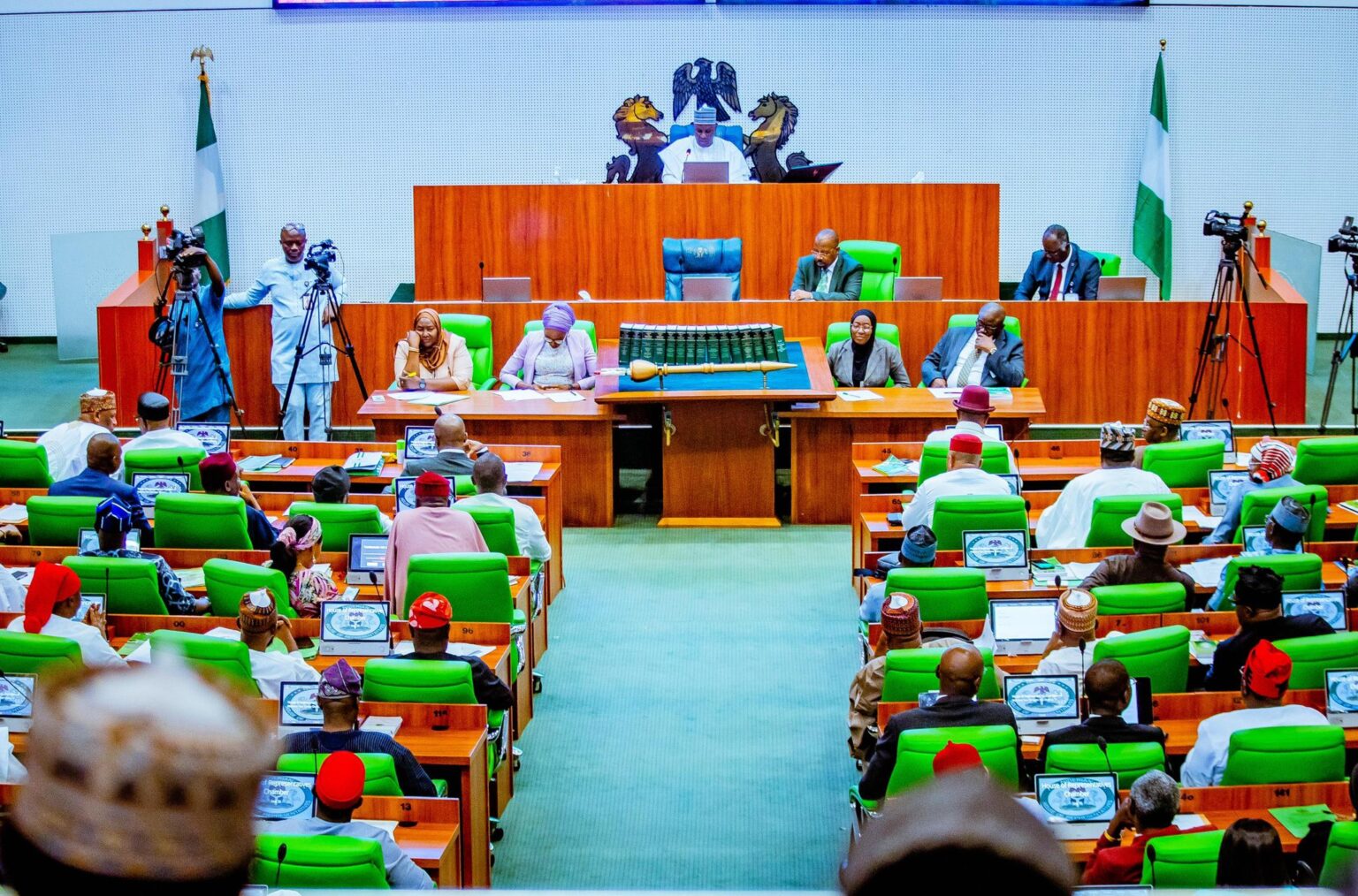
Despite ongoing budget defence sessions, lawmakers on Tuesday suspended other engagements to deliberate on what they described as issues that would define the 2027 polls.
Presiding over the plenary, Speaker Tajudeen Abbas commended members who travelled from outside Abuja to attend what he termed a crucial national assignment.
He stressed that the single agenda before the House was the rescission and recommittal of the Electoral Act Amendment Bill 2025.
“The issues before us will define the elections of 2027 and give a clear vision as to what is expected to be done,” Abbas said, underscoring the urgency of revisiting clauses earlier passed in December 2025.
The first motion, sponsored by Hon. Francis Waive, representing Ughelli North, Ughelli South and Udu Federal Constituency of Delta State, sought the rescission of the bill pursuant to Order Nine, Rule 6 of the House Standing Orders.
Moving the motion, Waive explained that after the bill was passed, a technical committee comprising leadership of both chambers of the National Assembly, members of the conference committee, clerks of the Senate and House, and legal drafters from the Directorate of Legal Services met to harmonise its provisions.
He disclosed that the review uncovered inconsistencies and unintended consequences that required corrective legislative action.
According to him, it was imperative to ensure that electoral laws promote maximum participation, fairness, inclusivity, administrative efficiency and public confidence in the electoral system ahead of 2027.
Following his motion, Chairman of the House Committee on Electoral Act, Adebayo Balogun, moved a second motion to formally recommit the bill to the Committee of the Whole for fresh consideration.
When the Speaker put the question to rescind the bill, the “nays” appeared louder, but he ruled in favour of the “ayes” and struck the gavel, triggering protests from lawmakers who insisted that the “nays” had it. The development prompted Abbas to call for a closed-door session to address the disagreement.
The move signals renewed efforts by lawmakers to fine-tune Nigeria’s electoral framework amid heightened political activity ahead of the 2027 general elections, with the House pledging to spare no effort in ensuring transparency and credibility in the democratic process.