Participants at a two-day Freedom of Information (FOI) training workshop in Enugu have decried what they described as weak and inconsistent compliance with Nigeria’s FOI Act nearly 15 years after its enactment, warning that a persistent culture of secrecy in public institutions continues to undermine transparency and democratic accountability.
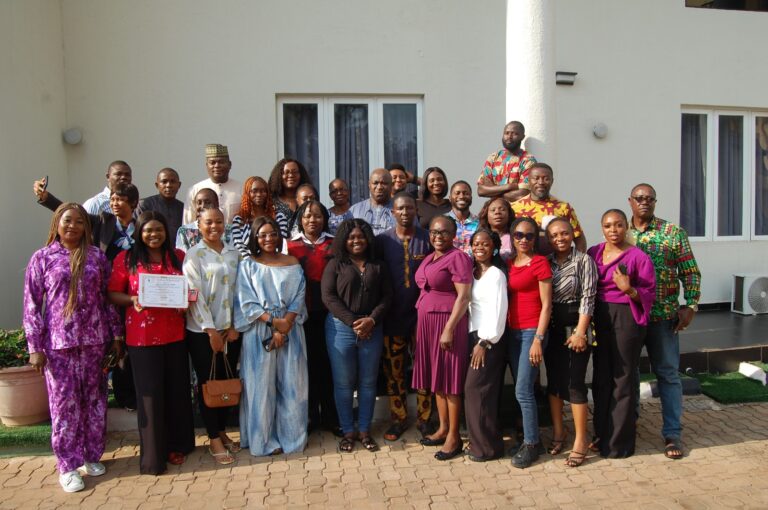
The workshop, organized by Media Rights Agenda (MRA) for journalists and representatives of Civil Society Organizations (CSOs) from the South-East and South-South geopolitical zones, was held on February 11 and 12, 2026, at Bridge Waters Hotel, Enugu.
Supported by funding from Luminate, the training aimed to strengthen participants’ capacity to effectively utilize the Freedom of Information Act, 2011 as a tool for investigative journalism, evidence-based advocacy, and the promotion of open governance at both state and federal levels.
In a communiqué issued at the end of the workshop and unanimously adopted, participants described access to information as a fundamental human right and an essential pillar of transparency, accountability, and democratic governance.
They acknowledged the FOI Act as a critical legal framework that empowers citizens, journalists, and civil society actors to demand and obtain information from public institutions and other entities covered by the law.
However, the participants expressed concern that compliance with the Act remains weak, inconsistent, and often obstructive.
They noted that many public institutions at federal and state levels, including in the South-East and South-South, continue to delay responses to requests, deny applications without lawful justification, or refuse to provide information altogether.
According to them, a deep-seated culture of secrecy still prevails within public institutions despite the clear provisions of the law.
The communiqué also observed that although the Supreme Court has settled the question of the applicability of the FOI Act to all tiers of government, several state governments continue to resist its implementation.
Participants criticized the reliance by some states on the argument that they have not domesticated the Act as a pretext for denying access to information, describing such claims as untenable.
While reaffirming the critical role of journalists and CSOs in promoting open governance and holding public institutions accountable, the participants conceded that many media practitioners and civil society actors lack sufficient awareness and technical knowledge to effectively deploy the Act.
This knowledge gap, they said, has limited the full exercise and enjoyment of the rights guaranteed under the law.
They further raised concerns about the negative influence of media ownership on journalism practice in Nigeria.
According to the communiqué, the ownership structure of many media organizations—often controlled by governments, political actors, or business interests aligned with those in power, creates subtle or overt pressures on journalists, particularly in the use of the FOI Act and in reporting matters that may conflict with the interests of proprietors.
As part of their resolutions, the participating journalists and CSO representatives committed to making more active and strategic use of the FOI Act in seeking official records and data for investigative reporting and public interest advocacy.
They agreed to monitor and document patterns of compliance and non-compliance by public institutions and to make their findings public through periodic reports and journalistic coverage.
The participants also pledged to engage state and local governments across the two regions through advocacy, dialogue, and public enlightenment campaigns aimed at improving awareness of their statutory obligations under the FOI Act.
They further resolved to collaborate more closely by sharing resources, providing peer support, and jointly challenging attempts by public institutions to obstruct the free flow of information.
Among their recommendations, the participants called for continuous training and mentorship for journalists and CSOs to deepen their understanding of the law and enhance their capacity to use it effectively.
They urged Media Rights Agenda and other civil society organizations to sustain technical support, including legal and litigation assistance, to strengthen enforcement of the Act.
They also called on federal, state, and local governments to ensure full implementation of the FOI Act by establishing functional FOI desks, proactively publishing categories of information required by law, submitting annual implementation reports, and training public officials on the public’s right of access to information.
They urged public institutions to adopt a culture of openness and respond to information requests within the timelines stipulated by law to foster efficiency, build public trust, and deliver democratic dividends.
The Judiciary was equally urged to expedite the hearing and determination of FOI-related cases in order to strengthen enforcement mechanisms and guarantee effective access to justice.
In addition, the participants encouraged media houses and CSOs to mainstream the use of the FOI Act in their routine work and advocacy strategies and to leverage technology at every stage of the information request process, from drafting and submission to tracking compliance, analyzing data, and publishing findings to enhance impact and accountability.
They also called on the media community in Nigeria to promote greater transparency in media ownership, insulate editorial processes from undue interference, and strengthen regulatory safeguards to ensure editorial independence and professionalism.
They reaffirmed their belief that the FOI Act remains a potent instrument for combating corruption and ensuring that public resources, particularly in the South-East and South-South states, are used for the benefit of the people.
The participants expressed appreciation to the organizers and partners for providing a platform to refresh and sharpen their skills.(Enugu Daily)