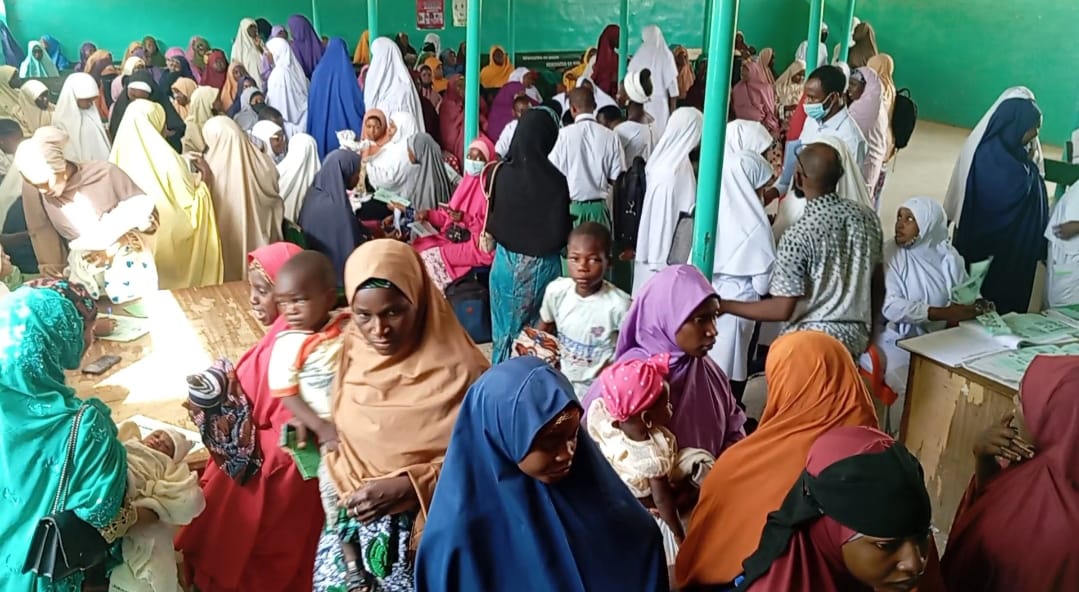
Pregnant women in Bauchi State are facing a looming health crisis as public health facilities run out of Multiple Micronutrient Supplements (MMS), a critical intervention for preventing anaemia and supporting healthy pregnancies. With tens of women attending antenatal clinics daily, the shortage is raising fears of rising maternal and infant health complications.
During a recent assessment at Kofar Ran Urban Maternity, expectant and lactating mothers described MMS as indispensable for a safe pregnancy. One mother, Aisha Ibrahim, 27, who is expecting her second child, said, “I relied on the supplements during my first pregnancy, and I felt much stronger. Now, I feel weak and worried for my baby because the clinic has none.”
Another expectant mother, Fatima Sule, 32, said, “The doctors told us MMS helps prevent anaemia. Without it, many of us feel tired and dizzy. We try to eat vegetables, but it is not always enough.”
Confirming the shortage, Ms. Hauwa Adamu, Officer in Charge of the health centre, said the stock-out is affecting newly registered antenatal clients despite high clinic attendance, which ranges from 70 to 160 women per booking day. She noted that anaemia symptoms are now observed in about 30 percent of pregnant women—a sharp increase from when MMS supplies were stable.
Adamu called for the urgent replenishment of MMS and advised expectant mothers to maintain a balanced diet using locally available iron-rich foods such as spinach, moringa, beans, and ugu.
Speaking on the issue, Dabis Mwalike, Bauchi State Coordinator of Civil Society Scaling-up Nutrition (CS-SUUN), warned that the absence of MMS threatens to reverse the gains made in maternal and child health across the state.
Elizabeth Kah, Executive Director of Journalists for Public Health and Development Initiative (J4PD), urged sustained media advocacy to hold health authorities accountable and prevent recurring stock-outs in public health facilities.
The MMS shortage underscores the urgent need for consistent supply of essential maternal health interventions. Without immediate action, Bauchi risks a surge in maternal anaemia, poor birth outcomes, and long-term health consequences for mothers and children