The Minister of Humanitarian Affairs and Poverty Reduction, Dr. Bernard Doro, has called for a shift in humanitarian interventions from distribution of relief materials to comprehensive psychological support for victims of conflicts and insecurity.
Doro said addressing the emotional and psychological consequences of violence was critical to achieving lasting recovery, particularly among women, children and other vulnerable populations affected by persistent attacks and displacement.
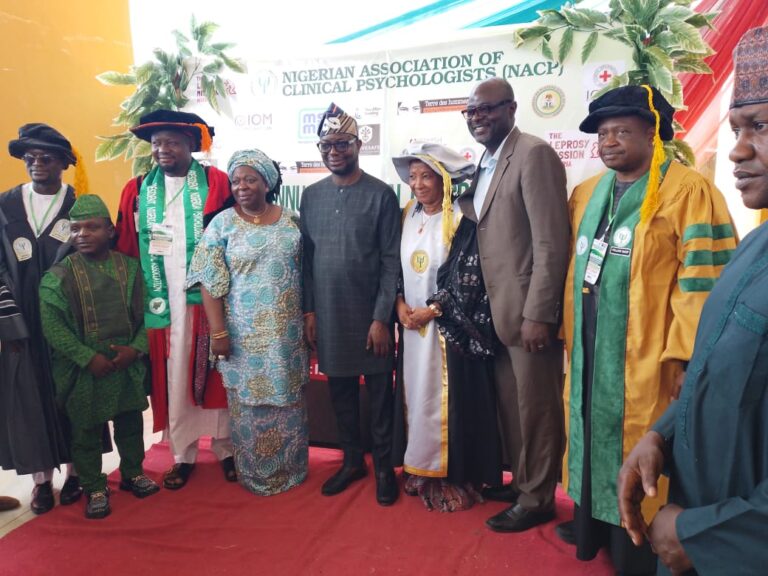
The minister made the call in Jos, Plateau State, at the Annual National Congress and Scientific Conference of the Nigeria Association of Clinical Psychologists (NACP), which ends on November 5, 2026.
He stressed that providing food and other relief materials alone could not adequately address the trauma suffered by victims, insisting that affected individuals and communities must be identified, visited and given appropriate psychological care.
Doro reaffirmed the Federal Government’s commitment under President Bola Tinubu’s administration to addressing humanitarian challenges and supporting internally displaced persons, particularly in Plateau, Benue and Kaduna states.
“We will continue to do our best to alleviate the suffering of victims of attacks,” he said.
Expressing concern over the impact of recurring violence in Plateau, the minister noted that children who witnessed killings and other traumatic incidents were particularly vulnerable to lasting psychological consequences.
He emphasised that protecting children and prioritising their emotional well-being must remain central to humanitarian interventions.
“We speak for the children in Maiduguri. Here in Jos, let us build for the children,” he said.
The conference, themed “From Trauma to Resilience: Bringing Research and Practice Together,” focuses on contributions of clinical psychologists to building resilient communities in humanitarian settings.
Earlier, NACP President, Prof. Gloria Karuri, called for greater attention to mental health, warning that inadequate investment in psychological services could worsen challenges confronting society.
Karuri highlighted achievements of her administration, including improved accommodation facilities and a threefold increase in membership.
She also disclosed that efforts were ongoing to secure a permanent national secretariat, strengthen professional capacity through curriculum review and equip the association’s centres with necessary facilities.
She commended the Plateau State Government for supporting the association’s activities.
In his welcome address, Chairman of the Local Organising Committee, Mr. John Gana, called for stronger collaboration between researchers and practitioners to ensure scientific findings translate into practical solutions for communities affected by conflict.
Gana observed that insecurity and displacement had continued to expose communities to severe psychological challenges, stressing that research should go beyond academic publications to address real-life problems.
In a lead presentation, humanitarian clinical psychologist, Dr. Evans Binan Dami, identified extreme poverty, social disorder, increasing number of out-of-school children, persistent attacks and inadequate parenting as major obstacles to community resilience.
Dami expressed concern over the country’s out-of-school children population, citing figures attributed to UNICEF which put the number at about 18 million.
He lamented the limited availability of mental health services in several parts of the country and advocated integration of psychological care into social welfare programmes and community-based services.
He urged governments at all levels to develop and implement policies that address emerging mental health challenges, particularly among vulnerable populations.
Also speaking, Head of the Department of Psychology, University of Jos, Prof. Esor Mantu, described the conference as timely, considering persistent insecurity and civil unrest across the North-Central region.
Mantu noted that prolonged conflicts had left many communities with significant psychological trauma, urging participants to explore how psychological research could help prevent conflicts and promote peaceful coexistence.
Similarly, the Gbong Gwom Jos, Da Jacob Gyang Buba, represented by the traditional ruler of Riyom, Mr. Samuel Dung Jok, said recurring violence had left many residents of his chiefdom traumatised, with some losing virtually all their possessions and family members.
He stressed the need for increased involvement of clinical psychologists in helping affected residents overcome the psychological and socio-economic consequences of persistent insecurity.
(People's Post)