By: Daniel Karlmax
Media practitioners have been urged to produce more impactful and investigative reports that highlight the environmental consequences of climate change, including insecurity, low agricultural yields, extinction of plants and animals, as well as the spread of diseases.
Journalists were also encouraged to embrace continuous research, data-driven storytelling and solutions journalism with strong human-interest angles to attract national and international partnerships aimed at protecting the environment from further degradation.
These were the major highlights of a one-day media training on climate change reporting organised in Kaduna by the EarthWell Climate Change and Environmental Initiative.
The training brought together journalists, content creators and government officials to deepen participants’ understanding of the realities of climate change and its far-reaching impacts, while equipping them with skills to report complex environmental issues in simple and relatable language.
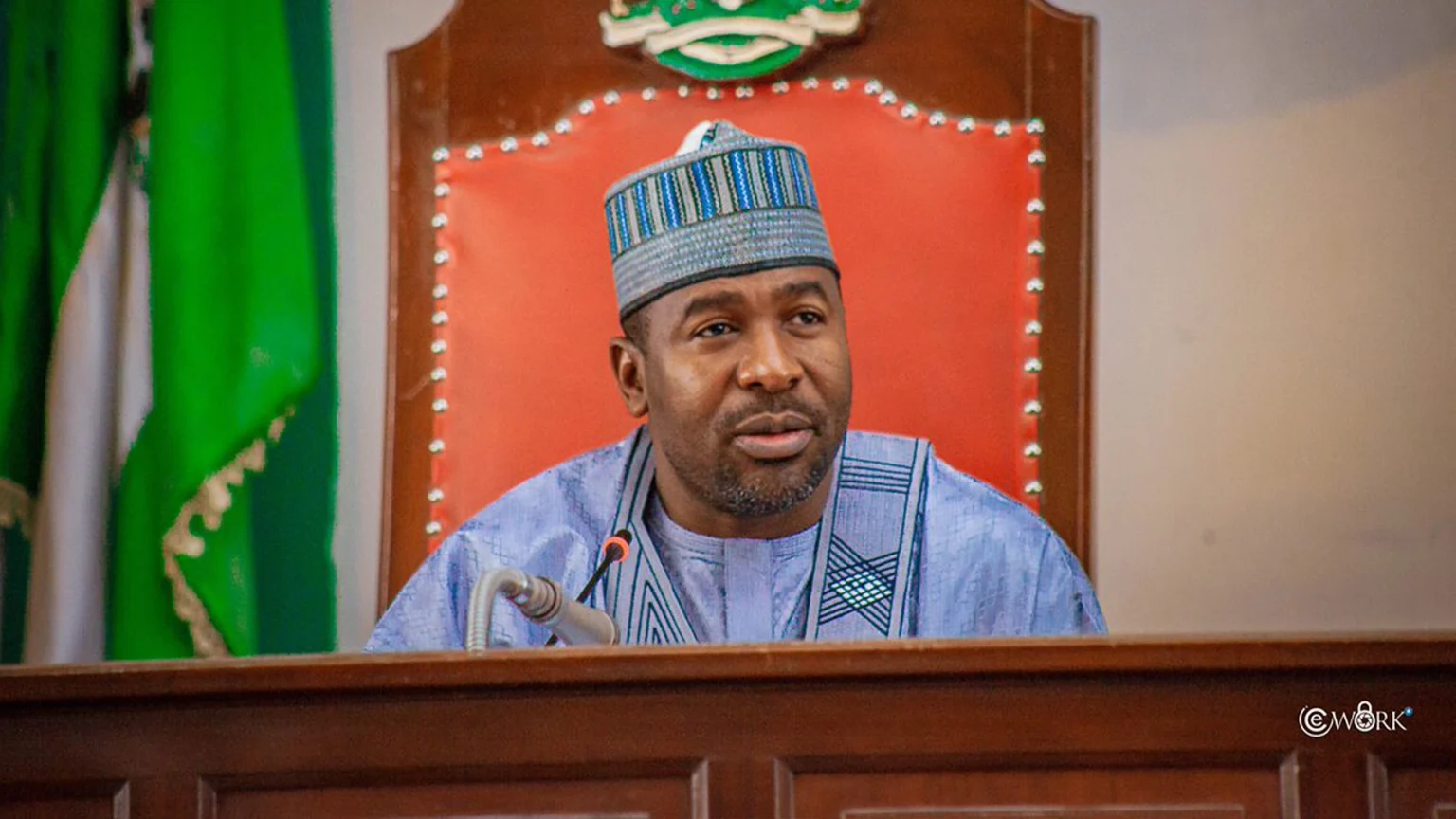
Declaring the training open, the Kaduna State Commissioner for Information and Communication, Mr. Ahmed Maiyaki, challenged journalists to tell climate stories from the human perspective by engaging directly with communities affected by environmental disasters.
He stressed the importance of field reporting and pledged the Kaduna State Government’s readiness to partner with the organisation in promoting excellence in climate journalism through awards and support for outstanding environmental reporting.
“You must study to teach, because journalism itself is about educating society,” Maiyaki said.
According to him, the public places enormous trust in the media, making it necessary for journalists to be adequately informed before reporting sensitive issues such as climate change.
“This training is one of the key strategies to help journalists understand the complex issues surrounding climate change because it is connected to many of the challenges we face today,” he stated.
Maiyaki linked climate change to declining agricultural productivity, food scarcity and rising insecurity across parts of Nigeria, especially in the Lake Chad Basin.
He explained that shrinking water bodies and loss of fishing activities around Nigeria, Cameroon, Niger and Chad had left many young people unemployed and vulnerable to recruitment by criminal and extremist groups.
“If fishing, farming and trading disappear because the environment is changing, people become desperate. That desperation can easily lead to crime and insecurity,” he said.
The commissioner also dismissed claims that farmer-herder clashes were purely religious, explaining that climate-induced environmental changes and increasing pressure on grazing lands were major contributing factors.
He noted that population growth had reduced available grazing routes, forcing herders into farmlands and triggering conflicts with farmers.
Speaking further, Maiyaki disclosed that Kaduna State had regained over 500,000 hectares of farmland previously occupied by criminal elements in conflict-prone local government areas such as Birnin Gwari, Giwa, Kajuru, Chikun and Kauru.
He said the restoration of peace under the Kaduna Peace Model introduced by Governor Uba Sani had enabled many farmers to return to cultivation.
“One hectare of properly cultivated farmland can produce up to 20 bags of maize, depending on soil fertility and fertilizer application,” he added.
Earlier, the Head of Research and Documentation at EarthWell Climate Change and Environmental Initiative, Mr. Majiba Ibrahim Lapini, identified desertification, flooding and land degradation as major drivers of climate-related insecurity in communities.
Lapini said the effects of climate change had contributed to poverty, unemployment, hunger, diseases and displacement, while worsening insecurity and reducing crop yields.
He called for stronger government policies, increased funding for climate action and sustained media advocacy to ensure accountability and environmental sustainability.
“When vegetation disappears and water bodies dry up, people naturally migrate in search of survival. Such migration can lead to boundary disputes, cultural tensions and insecurity,” he explained.
According to him, the shrinking of Lake Chad had significantly disrupted economic activities such as fishing, farming and trade, thereby increasing pressure on other regions.
Other presentations at the training focused on environmental safety awareness and effective health and environmental reporting.
Veteran broadcaster, Mr. Shindong Bala of Radio Nigeria Kaduna, also delivered a session on ethical and impactful climate reporting.(Radio Nigeria Kaduna)